
 Русский
| Shows & Events |
| Pictures of cats |
| Posters |
| Travel Stories |
| Editorial Cartoons |
Any Water on Mars? Cats are afraid of water. Everyone knows it. And cats as well. The thing is that when a cat is wet everyone can see that it is not round and fluffy but very-very thin. Until the fur becomes dry. And Cats feel VERY shy about that. Cats were looking for a place where ... more Cats are afraid of water. Everyone knows it. And cats as well. The thing is that when a cat is wet everyone can see that it is not round and fluffy but very-very thin. Until the fur becomes dry. And Cats feel VERY shy about that. Cats were looking for a place where ... more |
Would you like to receive new pictures?
Tierpark Nordhorn: Germany's Most Charming Zoo
Some places have a remarkable ability to make you feel like a child again. Tierpark Nordhorn is one of them.
A visit to the zoo is often thought of as a children's outing, but this peaceful corner of Germany proves otherwise. Spend a few hours here and you'll soon rediscover the simple joy of watching animals up close—the kind of wonder you probably haven't felt since the first time you stroked a donkey or fed a goat as a child.
Nestled on the German–Dutch border in the picturesque town of Nordhorn, this award-winning zoo has become one of the region's most beloved attractions.
Unlike many traditional zoos, Tierpark Nordhorn has almost no cages. Animals roam spacious, naturalistic habitats connected by winding footpaths, wooden bridges and elevated walkways that carry visitors over meadows, along crystal-clear ponds and into lush tropical houses alive with colour and sound.

Unlike many traditional zoos, Tierpark Nordhorn has almost no cages. Animals roam spacious, naturalistic habitats connected by winding footpaths, wooden bridges and elevated walkways that carry visitors over meadows, along crystal-clear ponds and into lush tropical houses alive with colour and sound.
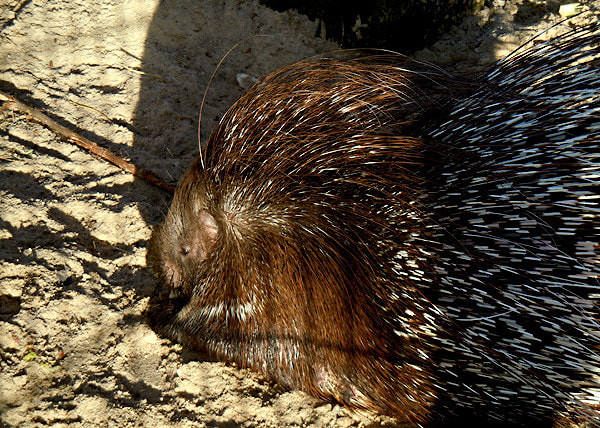
You can step inside the paddocks with porcupines and llamas, meeting them face to face.

The seals are equally sociable, hauling themselves onto their sandy beach with expressions so delightfully comical that they leave everyone around them smiling.
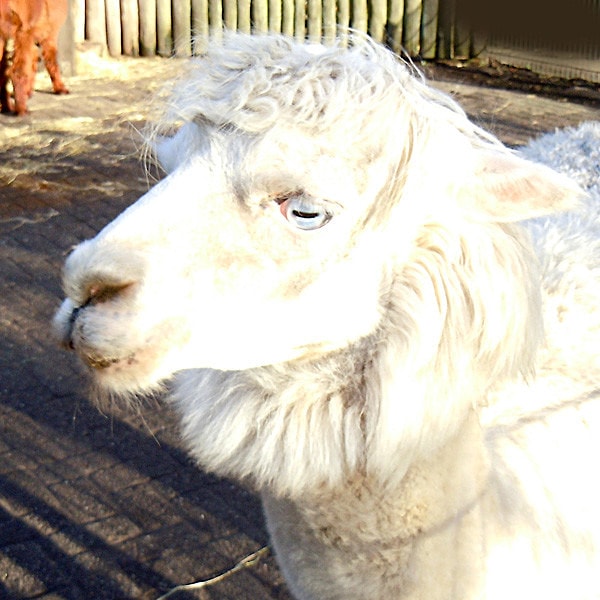
The elegant white llamas are especially striking. Their soft blue eyes, framed by unusual rectangular pupils, give them an almost mystical appearance.

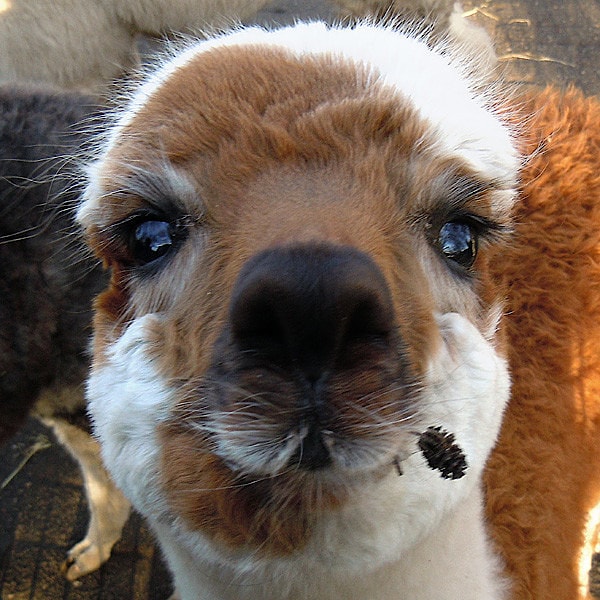
Nearby, their smaller cousins wander over with fearless curiosity, gently nudging visitors with friendly noses as if greeting old friends.

Not every creature here is quite so approachable. The giant salamander, with its prehistoric appearance, makes it easy to understand why Czech writer Karel Čapek imagined these extraordinary amphibians at the heart of his famous science-fiction novel War with the Newts.
One of the zoo's most distinctive features is its collection of beautifully reconstructed historic farmhouses. They recreate the rural life of centuries past, when people and livestock shared the same roof—a fascinating glimpse into everyday life that children find just as captivating as the animals themselves.

Inside and around the farm you'll meet shaggy Highland cattle that appear freshly groomed for a celebration, newborn piglets, and enormous white rabbits patterned with bold black markings.
Learning is woven naturally into every corner of the park. Interactive displays invite visitors to guess facts about the animals before revealing the answers beneath small wooden flaps—a simple idea that turns every walk into a treasure hunt..

Then come the European bison.
Watching the immense herd resting peacefully in the grass, it's surprisingly easy to imagine how ancient legends were born. The weathered face of the old bull carries the quiet dignity of an elder from another age.
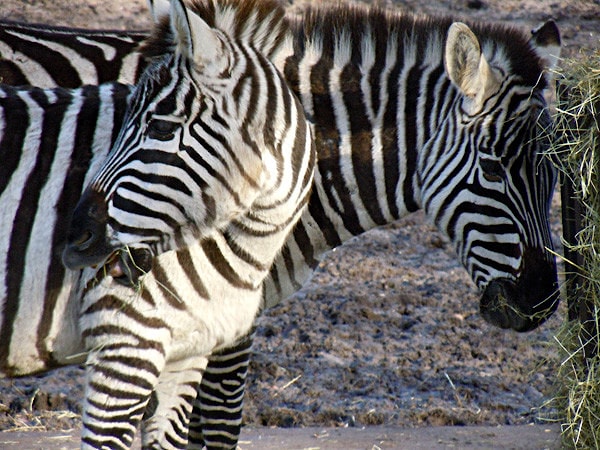
Nearby, zebras transform the landscape into a living black-and-white painting, while birds fill every level of the sky.


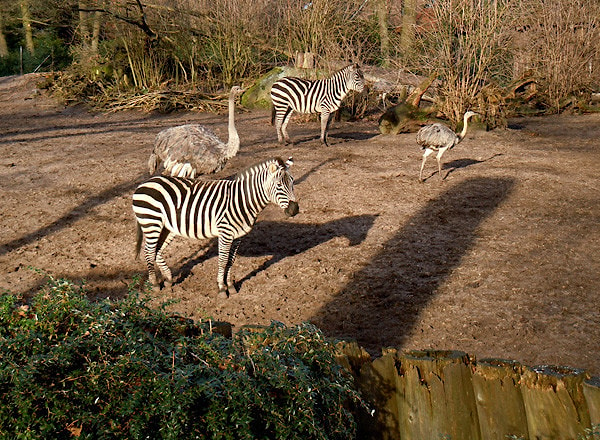
Ostriches stroll confidently across open grasslands.

Snowy owls perch silently against a landscape that resembles the Arctic tundra.

Massive ravens play aerial games overhead.
High above everything else, storks have built enormous nests atop towering poles.

Massive ravens play aerial games overhead.
High above everything else, storks have built enormous nests atop towering poles.

Occasionally, a pair decides that your shoulder makes the perfect place for a romantic date.
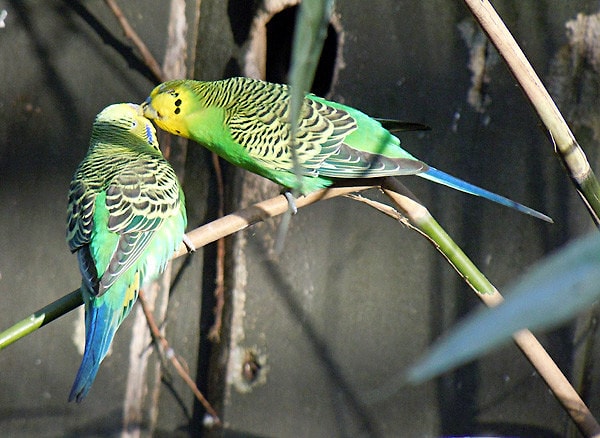
It's impossible not to laugh.
And impossible not to remember what pure delight feels like.
Children squeal with excitement. Adults simply stand there smiling.
For a few precious moments, everyone is exactly the same age.
The surprises continue with kangaroos, thoughtful great apes, impossibly tiny pygmy macaques—and then, just when you think you've seen it all, you discover one of the zoo's most unforgettable attractions.


The Mouse House.
Behind a glass wall stands a perfectly recreated farmhouse room. An old wooden dresser. A worn dining table. A patched shirt hanging over a chair. A Christmas tree forgotten long after the holidays have passed.
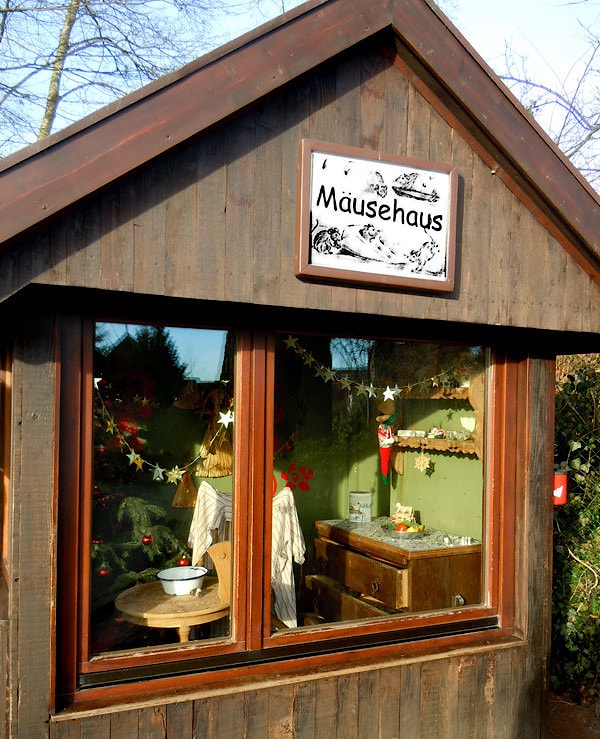
At first, nothing moves.
Then a branch twitches.
One mouse appears.
Then another.
Then five more.

Soon you notice mice climbing through the tree, hiding inside drawers, scurrying beneath the table, even raising families in tiny corners you almost overlooked.
And finally, right in the middle of the dining table, lies one last little mouse—flat on its back with a round belly, apparently having eaten far too many biscuits.
By then, you've laughed more than enough to work up an appetite.
Fortunately, the restaurant beside the zoo serves hearty German favourites. Order a plate of traditional sausages with dark local beer—or, in winter, a steaming mug of mulled wine—and let the day end exactly as it should: happy, relaxed, and already planning your next visit.
Visitor Information
Tierpark Nordhorn is located in Lower Saxony, close to the Dutch border.
- More than 10 hectares of parkland
- Around 1,000 animals representing 90 species
- Open daily from 9:00 am to 7:00 pm (last admission at 6:00 pm)
- Established in 1950
Admission
- Adults: €7.50
- Children (4–17): €4.00
Getting There
Take the A30, exit Nordhorn / Bad Bentheim, then follow the B403 towards Lingen.
Free parking is available.

Other posters on Germany



The site is powered by Nestorclub.com
Copyright © 2009-2026 Cats & Dreams. All rights reserved.